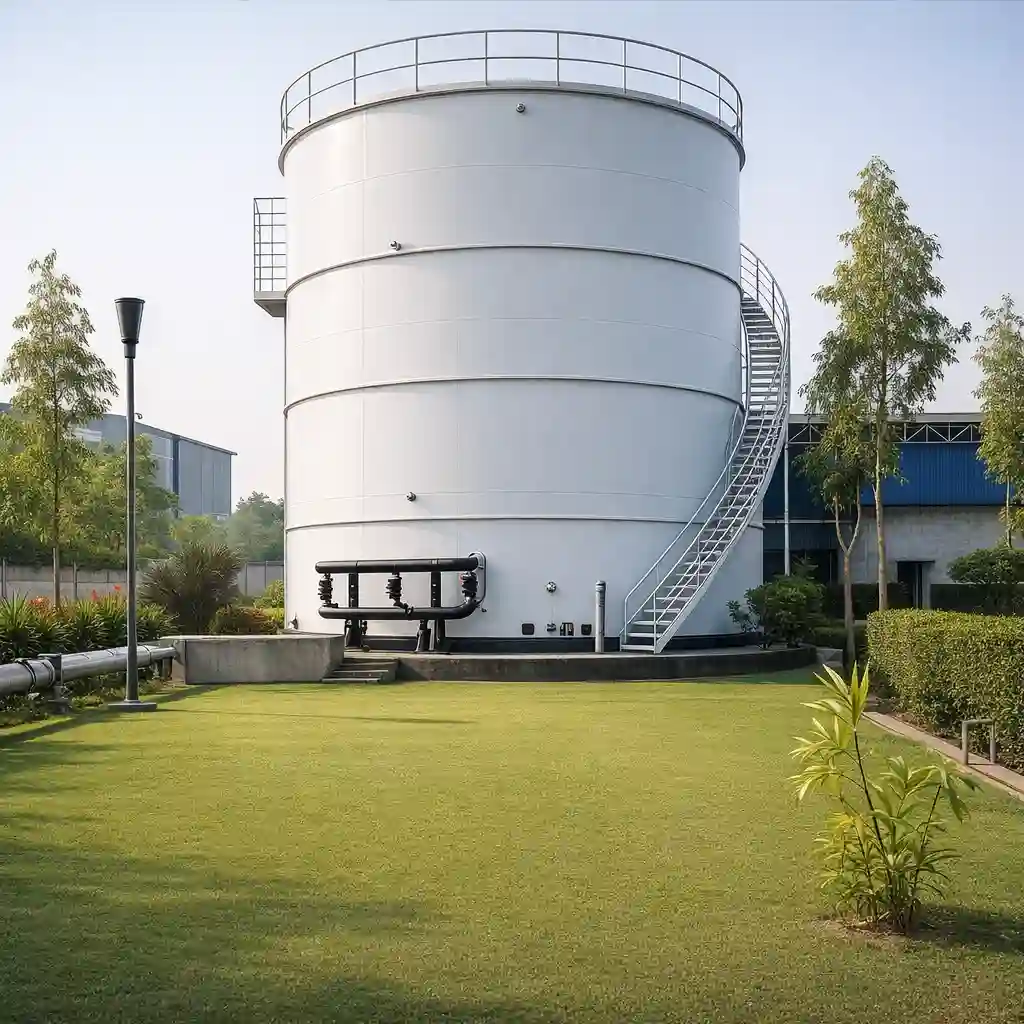
Under the Central Pollution Control Board’s (CPCB) latest directives, hundreds of textile and chemical plants in Tamil Nadu and Gujarat are now racing against the clock to implement zero liquid discharge (ZLD) systems. In 2024, over fifty sites received closure notices or fines exceeding ₹35 lakh for failing to meet ZLD targets. For industrial managers, the choice is stark: act now or face operational and reputational losses, not to mention escalating compliance risks.
Industrial Drivers: Who Needs Zero Liquid Discharge Systems Now?
The push for ZLD is not uniform—it’s sector-driven and policy-triggered. Textile clusters in Tiruppur and Surat, major pharma manufacturing zones in Hyderabad, and high-alluvium chemical units in the Dahej belt are top-priority targets. These sectors have been explicitly named by the CPCB and various State Pollution Control Boards (SPCBs) as high-risk and high-requirement for ZLD adoption.
For instance, in Tamil Nadu, all textile dyeing units now face an uncompromising ZLD mandate, with immediate compliance requirements. Similarly, the molasses-based distillery sector, which routinely generates spent wash with high chemical oxygen demand (COD), faces some of the toughest enforcement in the country. In the GCC, oil & gas, steel, and power plants in water-scarce regions (notably UAE and Saudi Arabia) are also moving towards ZLD as part of sustainability and regulatory norms.
Sector Example: Textile Plants
- Operational need: High-effluent discharge; dyeing and process water account for 80–120 m³/ton fabric output
- ZLD solution: Multi-stage evaporation followed by RO-purification and condensate recirculation
- Outcome: >97% water recovery, < 5% reject waste as salts/sludge
How Zero Liquid Discharge Systems Work: Core Processes and Real-World Specs
ZLD systems combine advanced physico-chemical, biological, and thermal processes to concentrate, treat, and ultimately eliminate liquid waste streams. At their core, these systems are designed to ensure nearly 100% recovery of process water, leaving behind only solids for disposal.
Typical ZLD Process Flow
- Pre-Treatment: Removes large particulates and adjusts pH (e.g., clarifiers, DAF units)
- Primary Treatment: Chemical dosing for organics removal, followed by biological treatment (aeration, MBRs)
- Membrane Filtration: High-pressure RO systems recover up to 85–90% water
- Thermal Evaporation: Multiple Effect Evaporators (MEE) concentrate RO reject to solids
- Crystalization/Drying: Final stage—sludge and salts are separated for handling
Modern ZLD plants for textiles and pharmaceuticals typically handle 1,000–15,000 m³/day. RO units operate at 12–22 bar, delivering 80–90% recovery. MEEs run at 70–120°C for energy efficiency, and the total system footprint ranges from 500 to 4,000 sq.m for medium-sized plants.
Energy Efficiency in ZLD: Design Strategies and Benchmark Metrics
Thermal evaporation (the heart of most ZLDs) can account for up to 60% of total system OPEX. Efficiency optimization is critical to keep lifecycle costs in check. The best-in-class ZLD plants now achieve 1.1–1.4 kWh/m³ (RO) and 23–28 kWh/m³ (MEE) of treated water, compared to legacy designs consuming 35–45 kWh/m³ (MEE stage).
Integration of mechanical vapor recompression (MVR), energy recovery from condensate, and advanced RO antiscalants have enabled up to 18% total power reduction in Enercon Worldwide’s larger installations. For sectors with high steam availability (e.g., sugar distilleries or integrated chemical complexes), steam-driven ZLD can further cut grid electricity use by 15–20%.
ZLD System Cost Optimization: Realistic Payback Scenarios
The installation cost for a ZLD plant in India typically ranges from ₹60–₹125 lakh per 1000 m³/day capacity, depending on influent complexity and required redundancy. OPEX is driven by both energy (thermal & electrical) and consumables (membranes, chemicals, labor).
- Typical OPEX (India): ₹58–₹110/m³ treated
For a 5,000 m³/day system: annual OPEX ≈ ₹11 crore - Water reuse savings (assuming purchase water at ₹50/m³): up to ₹9.1 crore/yr recovered
- Sludge and salt management/disposal: <6% of OPEX in well-designed environmental zones
Payback Analysis Example: A 3,000 m³/day textile ZLD (Tamil Nadu, 2023) saw water procurement and effluent disposal costs drop from ₹54 lakh/month to ₹15 lakh/month. After all OPEX, payback reached 30–36 months—enhanced to sub-28 months with SPCB diesel generator bans forcing water reuse.
Enercon Worldwide customizes process trains to minimize thermal input, maximizing hybrid membrane-thermal footprints—delivering up to 22% faster ROI than generic module vendors.
Sustainability, Compliance, and Environmental Impact of ZLD
Older linear effluent treatment strategies allowed up to 30–110 tonnes/day of toxic discharge at major Indian plants—directly contributing to groundwater contamination and Ganga-Yamuna load. ZLD, by design, reduces net water extraction by 90–98%, and removes over 96% BOD/COD from process outputs.
- For a 2,000 m³/day CETP: Up to 19,000 tonnes/year freshwater withdrawn and discharged avoided, eliminating up to 750 tonnes/year COD emissions
- Textile plant case: Over 14,000 tonnes/yr CO₂-equivalent averted by eliminating water tanker transport
Compliance with ZLD is now a performance benchmark under India’s PAT scheme (Perform, Achieve, and Trade) and central to ESG ratings in export-driven sectors. Failure to comply routinely encounters ₹10–50 lakh/month in spot fines and, crucially, operational curtailment under CAQM guidelines in North India’s National Capital Region.
The True Cost of Inaction: Fines, Production Losses, and Reputation Risks
Delaying ZLD upgrades is not a neutral choice. CPCB and SPCB monitoring has gone digital—with IIoT-based continuous effluent tracking and real-time alerting. In the last cycle, the Gujarat Pollution Control Board issued 32 plant shutdowns in a single cluster, resulting in average production losses exceeding ₹2 crore per day per plant. Up to 18 months’ operational ban for persistent violators is on record for certain dyeing units.
Major buyers, particularly in the EU and US, now require ZLD documentation as part of supply chain audits. Lapses can disqualify units from global apparel or chemical supply lists. ESG audit failures routinely result in investment pull-outs and forced capex upgrades at penalty-premium costs.
Operational and Implementation Challenges in ZLD Projects
While the technical pathway to ZLD is mature, plant managers consistently face challenges around feed-water variability, space constraints, integration with legacy ETP infrastructure, and limited skilled manpower for high-tech operations. For example, in the pharma sector, constantly changing batch processes can double RO membrane fouling, forcing unplanned downtime and OPEX hikes.
Real Challenges and Solutions
- Footprint: Urban textile units in Ludhiana encountered space limits; modular ZLD skids and vertical evaporators enabled under-650 sq.m deployments.
- Integration: Enercon Worldwide’s projects emphasize brownfield retrofitting, with buffer tanks and smart automation minimizing switchover downtime to under 72 hours for most mid-sized plants.
- Manpower: Training, IIoT-based performance monitoring, and remote OEM support close knowledge gaps.
Technology Comparison: ZLD vs. Conventional ETPs & Emerging Alternatives
Classic ETPs (Effluent Treatment Plants) typically achieve 65–85% contaminant removal and allow partial water discharge. ZLD, by contrast, is designed for absolute water closure (99%+ recovery). Conventional ETPs meet most older compliance (pre-2017), but now fall short in industrial clusters with critical groundwater sensitivity.
Comparison Metrics
- ETP: ₹14–23/m³ OPEX; 10–60% water reuse
- ZLD: ₹58–110/m³ OPEX; 95–99.5% water recovery; no discharge
- Emerging: Electrodialysis and forward osmosis plants promise sub-₹45/m³ OPEX but are unproven at >2,000 m³/day long-term scale as of 2024
ZLD is the only solution recognized for full compliance in CPCB textile and molasses sector notifications—and required for Green Channel Export certifications in leading Indian and GCC states.
Industry-Specific ZLD Applications: Deep Dives in Three Sectors
1. Textile Dyeing Cluster, Tiruppur
- Pre-Upgrade Challenge: 9,000 m³/d high-salinity, high-color effluent; repeated SPCB closure threats
- Solution: Two-stage RO, MEE, ATFD (agitated thin film dryer) with automated salt recovery
- Outcome: 98% water recycling, salt re-use in dye processes, payback in 31 months
2. Pharma API Plant, Hyderabad
- Pre-Upgrade Challenge: COD fluctuating from 4,500–14,000 mg/L; downstream ETP frequently overloaded
- Solution: Enhanced high-pressure RO, MEE with forced circulation, waste heat integration
- Outcome: 92% water recovery, OPEX reduction through ~19% lower steam costs
3. Chemical Manufacturer, Dahej SEZ
- Pre-Upgrade Challenge: Varying influent load, multi-product batch operation; space constraint
- Solution: Modular ZLD units with IIoT monitoring and hybrid membrane-thermal system
- Outcome: Stable <0.1% monthly downtime, uninterrupted SPCB compliance
Future Trends: What’s Next for ZLD in India and the GCC?
The next three years will see rapid adoption of modular, containerized ZLD systems for mid-sized batch plants. Hybrid membrane-thermal designs are pushing OPEX down by 12–17% annually. Early pilots in Gujarat and Telangana are deploying AI-based predictive cleaning cycles, reducing membrane replacement by 25%.
Green hydrogen clusters are evaluating integration of ZLD with carbon capture and brine mining, enabling circular resource recovery business models. In the GCC region, solar-assisted evaporation and advanced thermal integration are promising further OPEX reductions—already showcased in pilot plants in Abu Dhabi.
Vendor Selection and Project Risk: A ZLD Implementation Checklist
Plant managers must cut through vendor claims to secure sustainable ROI and compliance. A successful ZLD project begins with an audit-driven specification, tailored to influent variability, industry loading, and regulatory deadlines.
- Key Questions to Ask Vendors:
- What effluent TDS/COD range does your design accommodate?
- How much water reuse can you guarantee (site-specific)?
- What is the proven OPEX under actual industry loads?
- What digital monitoring and automation is included for remote compliance?
- Reference sites: Are there multiple similar scale references in India/GCC?
- Can the system be integrated with existing ETP/RO infrastructure—what is the expected downtime?
- What redundancy and maintenance support is included?
Enercon Worldwide partners with plants to conduct site-specific ZLD audits, model ROI based on actual influent history, and configure adaptive process trains fit for Indian and GCC compliance deadlines.
Final Steps: Compliance Milestones and Why Timing Matters for ZLD Projects
Typical ZLD projects—from detailed specification to commissioning—require 8–14 months, depending on capacity and customization. For Indian plants, alignment with PAT cycle and monsoon-discharge deadlines is critical. Textile clusters facing April 2025 compliance must initiate audits and design sign-off before September 2024, or risk missed deadlines and forced closure/production throttling.
The smartest next step: commission a full water balance and ZLD feasibility study for your facility. This will reveal actual recovery potential, projected OPEX, and compliance roadmaps specific to your sector. Enercon Worldwide’s project teams are equipped to support energy-water audits, brownfield integrations, and technology selection that minimize business disruption and maximize water reuse savings.
With regulatory timelines tightening and the cost of inaction mounting, decision-makers who move first on ZLD are set to secure long-term operational resilience, regulatory freedom, and competitive advantage.
Related Enercon solutions
Planning an energy or utility project? Talk to the engineers at Enercon Worldwide or request a consultation. You can also browse all our business areas.