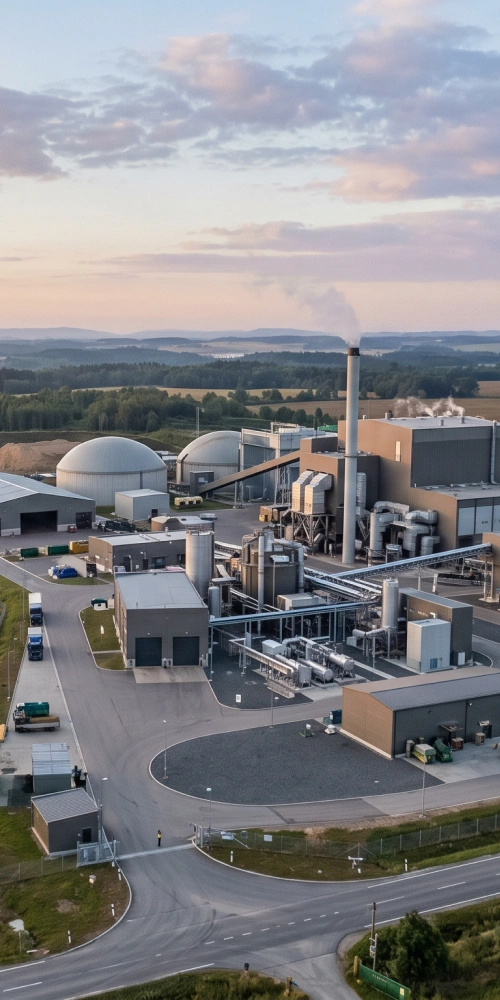
For many facilities in the Maldives, dependable freshwater production is an operational requirement rather than a convenience. Resorts, utility operators, food-processing facilities, healthcare sites, and commercial buildings may need a consistent supply of treated water while working with limited land, island-based logistics, variable source-water quality, and high sensitivity to equipment downtime. A reverse osmosis system can address this requirement, but only when the plant is designed around the actual feedwater, product-water specification, energy supply, and maintenance capability.
Reverse osmosis is often described simply as a desalination technology. In practice, it is a complete treatment process that includes intake or collection, pretreatment, high-pressure pumping, membrane separation, post-treatment, controls, cleaning, and concentrate management. Selecting the membrane skid alone is not enough. Poor pretreatment, unstable power, incorrect recovery, or inadequate operator procedures can reduce output and shorten membrane life.
This article explains how industrial and commercial decision-makers in the Maldives can evaluate a reverse osmosis plant, from initial water analysis through commissioning and long-term operation.
Why reverse osmosis is relevant to facilities in the Maldives
Freshwater planning in an island environment must account for both availability and continuity. Depending on the location and facility type, the available source may be seawater, brackish groundwater, treated municipal water, collected rainwater, or a combination of sources. These sources have different salinity, suspended solids, biological activity, hardness, and seasonal characteristics. A treatment system designed for one source should not automatically be applied to another.
For a resort, the water demand may include guest rooms, kitchens, laundry, staff facilities, cooling systems, landscaping, and emergency storage. A food or beverage operation may require water with controlled mineral content for product preparation, washing, boilers, or process equipment. A utility facility may need desalinated water for distribution or for further treatment through demineralization, ultraviolet disinfection, or dosing systems.
Reverse osmosis can reduce dissolved salts and many other dissolved contaminants by forcing feedwater through semipermeable membranes. The process produces two streams: permeate, which passes through the membranes, and concentrate, which retains a higher proportion of rejected salts and other contaminants. The plant must be designed to use the permeate safely and to manage the concentrate responsibly.
The business value is therefore linked to more than water quality. A suitable system can improve supply resilience, reduce dependence on delivered water, support predictable operations, and provide a controlled feed for downstream utility systems. However, these benefits depend on correct sizing and integration with storage, distribution, power generation, and wastewater infrastructure.
How a reverse osmosis plant works
A typical seawater or brackish-water reverse osmosis plant follows a sequence of treatment stages. The exact arrangement depends on the source-water analysis and the required product quality, but the main process is generally as follows:
- Source-water intake: Water is collected from an approved source through an intake, tank, bore, or existing utility connection. The intake arrangement should limit the entry of sand, debris, marine organisms, and other materials that can increase pretreatment load.
- Screening and filtration: Coarse screens, strainers, multimedia filters, cartridge filters, or other filtration equipment remove suspended solids and protect downstream equipment.
- Chemical conditioning: Dosing may be required for pH control, antiscalant addition, dechlorination, coagulant support, or other source-specific requirements. Free chlorine and other oxidants must be controlled because some membrane materials are sensitive to oxidation.
- High-pressure pumping: A high-pressure pump supplies the driving force needed for water to pass through the membranes. Pump selection must consider flow, pressure, efficiency, materials of construction, control range, and the salinity of the feed.
- Membrane separation: Membrane vessels are arranged in stages to obtain the required permeate flow and recovery. The membrane array is selected using the feedwater analysis, target capacity, temperature, salt rejection, operating pressure, and allowable flux.
- Permeate handling: Product water is collected in a tank or sent to downstream treatment. Depending on its final use, it may require remineralization, pH adjustment, disinfection, blending, or additional polishing.
- Concentrate handling: The concentrate stream is routed to an approved disposal or recovery arrangement based on site conditions, environmental requirements, and the design of the overall water system.
Membranes do not function as a replacement for all other treatment stages. They are vulnerable to fouling by suspended solids, biological growth, oil, colloidal material, and scale-forming compounds. A reverse osmosis plant should therefore be treated as an integrated process rather than a standalone piece of equipment.
Start with water analysis and the product-water requirement
The first engineering step is to define both the feedwater and the intended use of the treated water. A basic laboratory test may not be sufficient for system design if the source varies or if the water will be used in sensitive equipment. The sampling plan should represent actual operating conditions and should be repeated when there are seasonal, operational, or source changes.
Important feedwater parameters may include conductivity or total dissolved solids, temperature, pH, turbidity, suspended solids, hardness, alkalinity, silica, iron, manganese, sulfate, chloride, organic matter, oil and grease, microbial indicators, and oxidant concentration. The required analysis depends on the source and the intended process. For seawater applications, the design must also account for high salinity, corrosion exposure, and the characteristics of the intake system.
The product-water specification should be expressed in operational terms. A domestic or general utility supply may have different requirements from boiler makeup, laboratory use, food preparation, or a downstream demineralization plant. If the final use is not clearly defined, the project may be overdesigned, underdesigned, or forced to use unnecessary polishing equipment.
It is also important to separate daily average demand from peak demand. A resort, factory, or commercial facility may have significant variations between occupancy, production shifts, cleaning periods, and utility operation. Storage tanks can help balance these variations, allowing the reverse osmosis plant to operate closer to a stable design point instead of being repeatedly started and stopped to follow every short-term demand change.
Capacity, recovery, and energy considerations
Plant capacity should be based on a water balance, not only on a nominal daily consumption estimate. The balance should identify source-water intake, pretreatment losses, reverse osmosis permeate, concentrate, cleaning water, backwash requirements, reject water, storage changes, and final points of use. Allowances may be required for maintenance periods and future demand, but excessive oversizing can create its own problems, including low-load operation and poor control stability.
Recovery is the proportion of feedwater converted into permeate. Higher recovery can reduce intake and concentrate volume, but it may also increase the concentration of salts near the membrane surface and raise the risk of scaling or fouling. The appropriate recovery depends on feed chemistry, pretreatment, membrane configuration, operating temperature, and concentrate management. It should be established through engineering design rather than selected only to minimize water use.
Energy consumption is primarily associated with the high-pressure pump, although pretreatment, post-treatment, transfer pumps, controls, and auxiliary equipment also contribute. Seawater systems generally require more pressure than brackish-water systems because the osmotic pressure of the feed is higher. Actual energy performance depends on salinity, water temperature, membrane condition, recovery, pump efficiency, pressure losses, and operating point.
Where the facility has a diesel-based power system, the reverse osmosis load should be considered in the site energy balance. Starting currents, operating hours, generator loading, fuel consumption, and available standby capacity may affect the final configuration. Variable-frequency drives can help regulate pump speed and reduce unnecessary throttling, but they do not compensate for poor equipment selection or unstable power quality.
For a sound commercial evaluation, the owner should compare the total cost of produced water rather than the membrane skid price alone. Relevant cost categories include electrical or fuel consumption, pretreatment chemicals, cartridge filters, membrane replacement, cleaning chemicals, laboratory testing, operator time, concentrate handling, spare parts, maintenance support, and the cost of storage and distribution infrastructure.
If a financial model is prepared, the inputs should be clearly identified. For example, an illustrative calculation might use a hypothetical permeate volume, annual operating hours, electricity or generator cost, and assumed maintenance expenditure to compare alternatives. Such a calculation is not a verified Maldives benchmark. Actual cost per cubic metre depends on site-specific source water, energy supply, operating schedule, equipment condition, logistics, and financing.
Pretreatment determines membrane reliability
Many reverse osmosis problems are caused upstream of the membranes. A membrane may be technically suitable for the design salinity but still perform poorly if the pretreatment system does not control suspended solids, microorganisms, oxidants, or scale-forming compounds.
For surface or seawater sources, the intake and pretreatment system should be evaluated for sediment, marine growth, biological activity, and changes caused by weather or sea conditions. Depending on the analysis, the process may include screening, coagulation, clarification, multimedia filtration, ultrafiltration, cartridge filtration, or other barriers. Not every project needs all of these stages, and adding equipment without a defined contaminant-control purpose increases cost and maintenance.
For brackish water or groundwater, the main risks may include hardness, iron, manganese, silica, dissolved gases, and biological growth. The treatment train should be selected according to the chemistry rather than according to a standard equipment list. Antiscalant dosing, softening, acid dosing, or iron removal may be appropriate in some cases, while being unnecessary or unsuitable in others.
Cartridge filters are usually intended as a final protective barrier before the high-pressure pump and membrane vessels. They are not a substitute for inadequate upstream clarification. If the cartridge filters block quickly, operators should investigate the source and pretreatment process instead of simply increasing the replacement frequency.
Instrumentation should include the measurements needed to detect deterioration early. Depending on the design, this may include feed and permeate conductivity, pressure at key points, flow rates, pH, temperature, differential pressure across filters, tank levels, dosing status, and alarms for abnormal conditions. Trending these values is more useful than relying only on occasional manual readings.
Operating and maintenance practices that protect output
Reverse osmosis performance gradually changes as membranes age or become fouled. Operators should establish baseline values during commissioning and compare later readings against normalized performance. Because temperature and pressure influence flow, raw flow comparisons can be misleading. A proper review considers the operating conditions under which the data was collected.
Routine tasks commonly include checking chemical dosing, inspecting leaks, recording pressures and flows, replacing filters when differential pressure or water quality indicates a need, testing instruments, inspecting pumps and valves, and verifying that automatic shutdowns operate correctly. Operators should also confirm that low-level, high-pressure, high-conductivity, and chemical-related interlocks are functional.
Membrane cleaning should be based on defined performance indicators and the membrane supplier's compatibility requirements. Cleaning too late may allow deposits to become difficult to remove, while cleaning unnecessarily can increase chemical use and membrane stress. The cleaning method depends on the type of foulant or scale, and the cleaning solution must be prepared at the correct concentration, temperature, and pH for the membrane system.
During extended shutdowns, membranes may require preservation to prevent biological growth or irreversible damage. The correct procedure depends on the membrane type, shutdown duration, temperature, and site conditions. Restart procedures should include flushing, checking chemical residues, confirming water quality, and gradually returning the system to normal operation.
Island logistics make spare-parts planning particularly important. Critical spares may include cartridge filters, dosing components, pump seals, sensors, valves, electrical components, and membrane elements appropriate to the installed design. The right inventory depends on the plant's criticality and access to technical support; storing every possible component is not necessarily economical.
Integrating reverse osmosis with the wider utility system
A desalination plant should be evaluated as part of the facility's utility network. The design may need to coordinate with raw-water tanks, product-water storage, booster pumps, disinfection, remineralization, fire-water separation, hot-water systems, boiler makeup, cooling systems, and wastewater facilities.
Product-water storage provides operational flexibility, but the tank should be sized and managed to avoid long residence times that can affect water quality. Level controls should coordinate the reverse osmosis plant with demand and available standby capacity. Where water is distributed across a resort or commercial site, pressure zones and peak flow requirements may require separate transfer or booster arrangements.
For boiler or steam applications, reverse osmosis permeate may be only one stage in the makeup-water treatment process. Depending on boiler pressure and feedwater requirements, additional demineralization, degassing, chemical conditioning, or condensate recovery may be needed. Using untreated or inadequately treated water can increase scaling, corrosion, blowdown, and maintenance concerns.
Wastewater and concentrate should be considered together during project development. Reverse osmosis concentrate is not the same as ordinary freshwater wastewater because it contains a higher concentration of rejected constituents. Its handling route must be technically and environmentally appropriate for the location. Where an effluent treatment plant or zero liquid discharge strategy is being considered, the concentrate flow and chemistry should be included in the overall mass balance from the beginning.
Common project risks and how to reduce them
Unrepresentative water analysis: Designing from a single sample can conceal changes in salinity, turbidity, temperature, or biological activity. Use a sampling plan that reflects actual operation and review historical information where available.
Undersized pretreatment: A low purchase price can become expensive when filters block frequently or membranes require repeated cleaning. Match pretreatment to the identified contaminants and expected variability.
Insufficient storage: A plant may meet the average daily demand but fail during peak use or maintenance. Include a water balance, peak-demand review, and a realistic contingency strategy.
Poor power integration: Voltage variation, generator loading, and inadequate standby capacity can cause trips and unstable production. Review electrical protection, motor starting, control philosophy, and generator operation before finalizing the pump package.
Unclear concentrate management: The concentrate route should be defined before procurement. Its flow, salinity, chemical content, and discharge conditions can influence civil works and operating procedures.
Weak operator training: Automated equipment still requires informed supervision. Operators should understand normal pressure and conductivity trends, chemical safety, alarm response, cleaning decisions, and shutdown procedures.
Overlooking maintainability: Equipment access, lifting provisions, drainage, ventilation, chemical storage, spare-parts access, and safe working space should be reviewed during design. These details are especially important where specialist support or replacement equipment may require transport between islands.
How to evaluate suppliers and project proposals
When comparing reverse osmosis proposals, ask each supplier to state the design basis clearly. The proposal should identify feedwater assumptions, permeate capacity, recovery, operating temperature, expected water quality, pressure requirements, pretreatment stages, chemical consumption, concentrate flow, electrical load, materials of construction, control philosophy, and testing requirements.
It should also distinguish guaranteed values from estimates. Membrane performance can change with feed conditions and age, so the owner should understand the assumptions behind projected output and salt rejection. A proposal that gives a low equipment price but excludes storage, intake modifications, dosing, electrical integration, commissioning, or operator training may not represent the lower installed cost.
Commissioning should include verification of flows, pressures, conductivity, alarms, chemical dosing, pump operation, interlocks, tank levels, and product-water routing. The operating team should receive practical training using the actual installed plant. Documentation should include process and instrumentation drawings, equipment manuals, recommended spares, cleaning procedures, calibration requirements, and a preventive-maintenance schedule.
Enercon Worldwide can support industrial utility projects by reviewing the water balance, defining treatment requirements, integrating reverse osmosis with associated water and energy systems, and coordinating engineering, equipment supply, commissioning, and operational considerations. The appropriate scope depends on the site's source water, capacity, existing infrastructure, and required product quality.
A practical decision path for Maldives facilities
Before selecting a system, the project team should complete a structured review:
- Identify every water source and confirm whether the source is seawater, brackish water, treated supply, rainwater, or a blended stream.
- Measure current and projected demand, including average use, peak use, seasonal variation, process demand, cleaning, and utility makeup.
- Define the required quality at each point of use rather than applying one specification to the entire facility.
- Obtain representative laboratory data and assess the potential for fouling, scaling, corrosion, and biological growth.
- Prepare a process flow diagram showing intake, pretreatment, reverse osmosis, storage, post-treatment, distribution, and concentrate handling.
- Review electricity supply, generator operation, control systems, chemical storage, drainage, access, and maintenance arrangements.
- Compare proposals using total installed cost, operating cost, reliability, maintainability, and technical support—not only purchase price.
- Define commissioning tests, operator training, spare-parts requirements, performance monitoring, and maintenance responsibilities.
This approach helps the owner select a system that fits the facility rather than adapting the facility to an isolated equipment package. It also creates a sound basis for evaluating whether water conservation, rainwater use, wastewater recovery, or additional treatment should be combined with desalination.
For a new project or an existing facility with rising water costs and unreliable supply, the next step is a site-specific feasibility assessment. Review the source-water analysis, water balance, power availability, existing treatment equipment, storage capacity, and concentrate route before requesting a final reverse osmosis design. Enercon Worldwide can use this information to help evaluate the treatment configuration and its integration with the wider industrial utility system, while the final equipment selection should remain tied to verified site conditions and the owner's operating objectives.
Related Enercon solutions
Planning an energy or utility project? Talk to the engineers at Enercon Worldwide or request a consultation. You can also browse all our business areas.