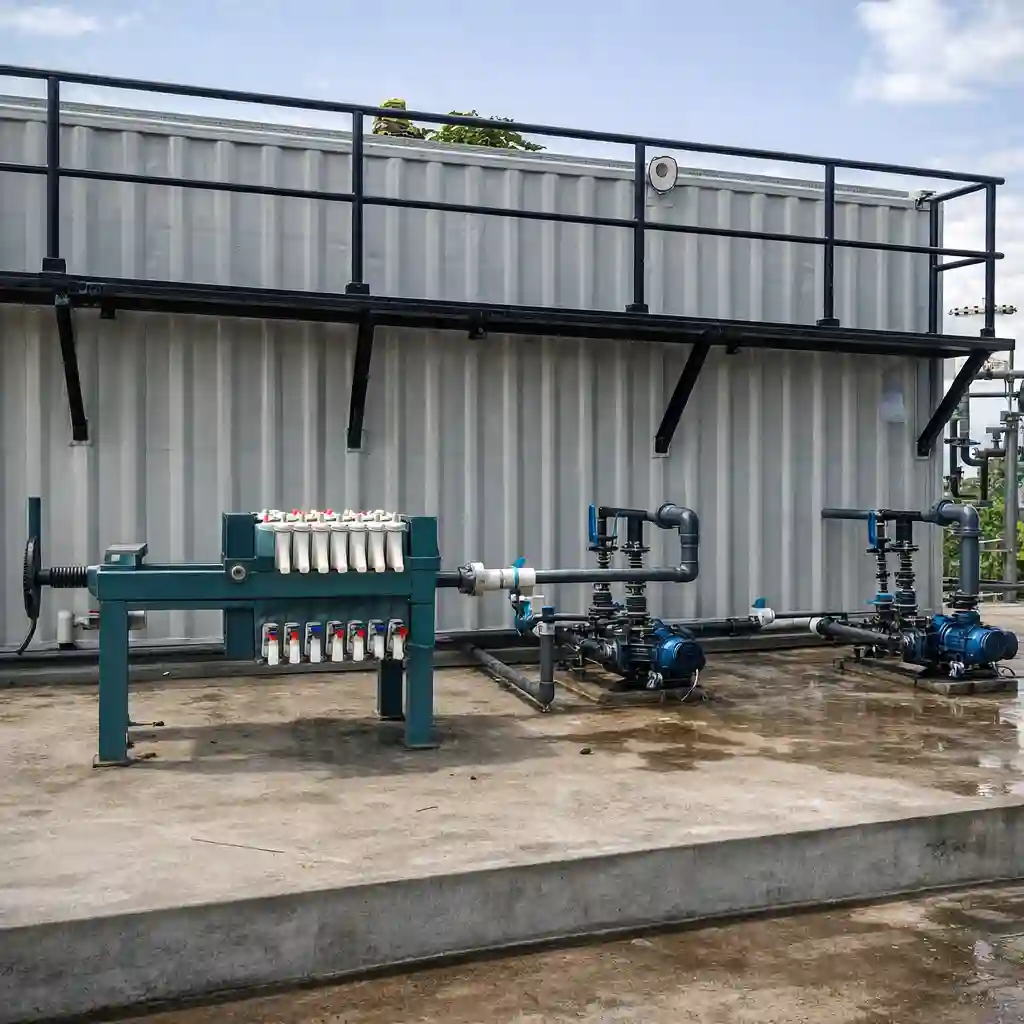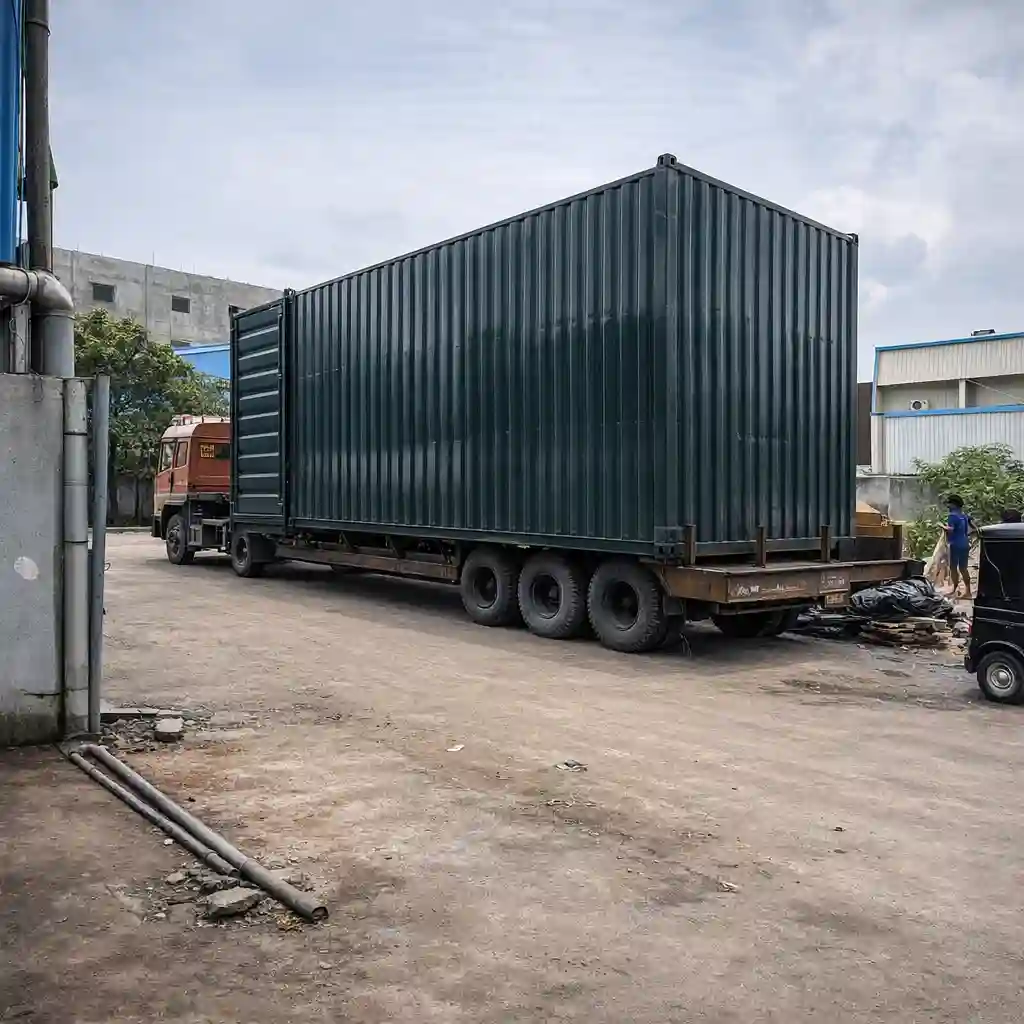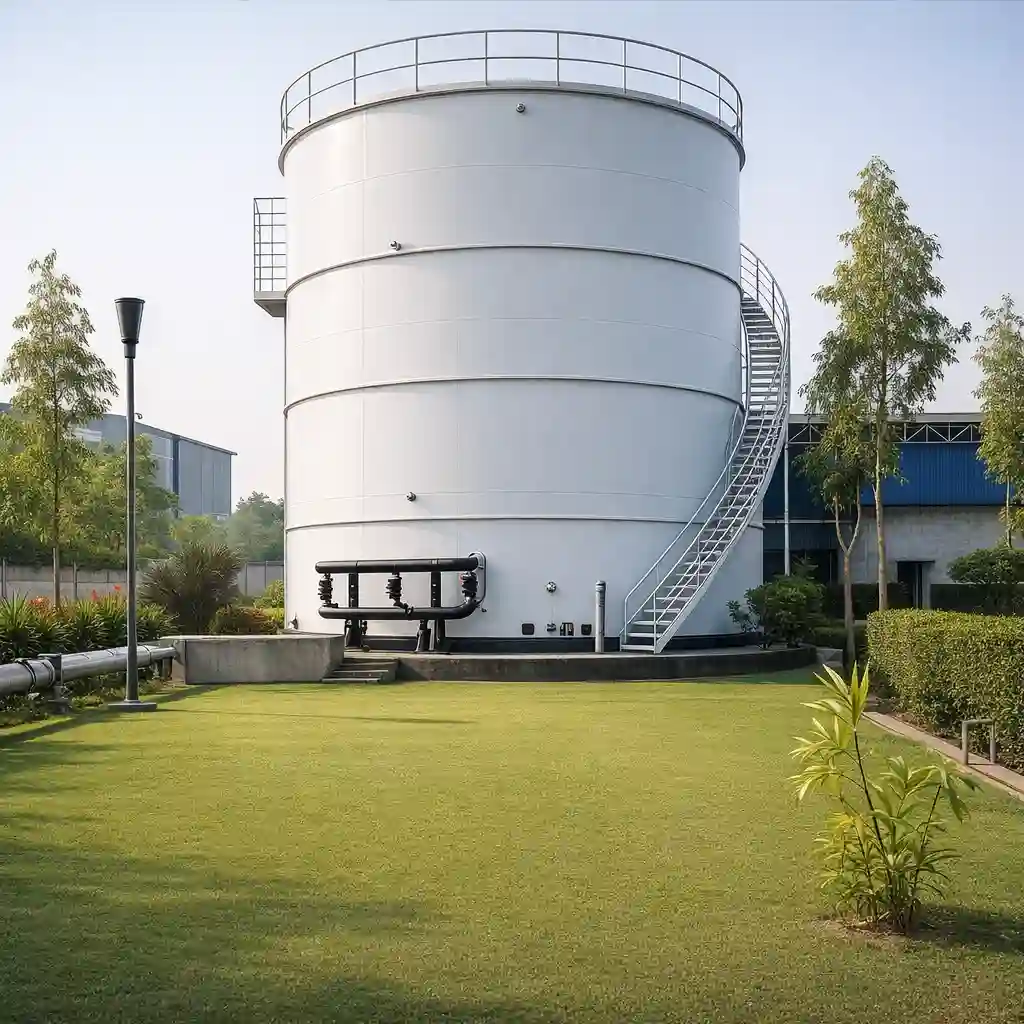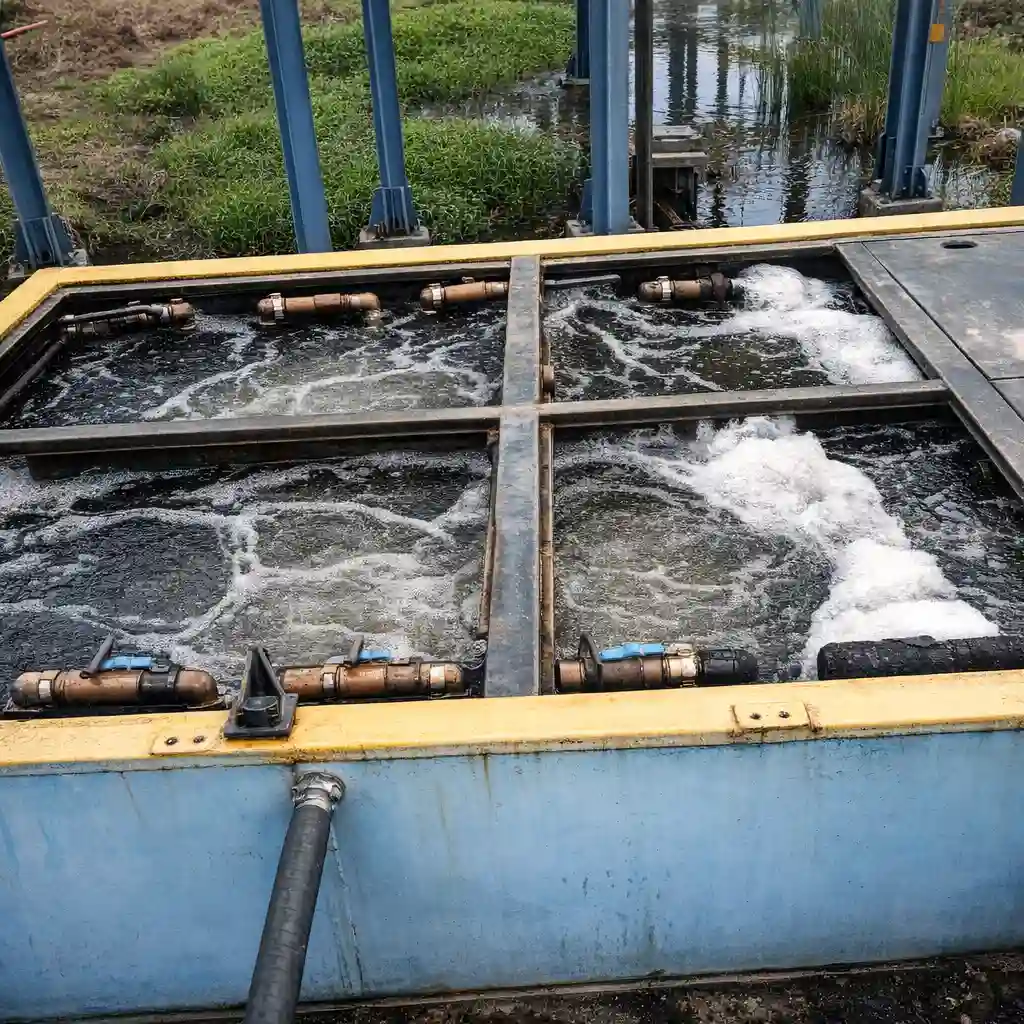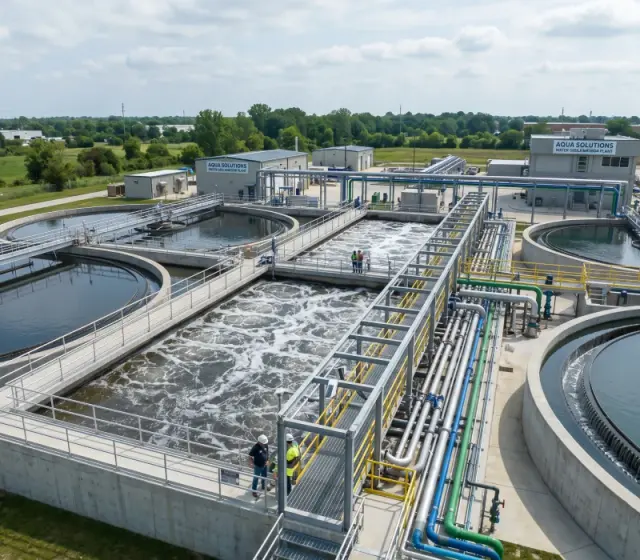
Sewage treatment systems configured to address wastewater characteristics and the required treated-water quality for reuse or discharge. Treatment stages are selected for each project’s application and design requirements.

| About
A sewage treatment plant (STP) treats sewage by reducing solids and pollutants through a sequence of treatment stages. The process is designed around the incoming wastewater and the quality needed for its intended reuse or discharge.
Depending on the project, treatment can include preliminary screening, biological treatment, clarification, filtration, and disinfection. The selected process and equipment vary with wastewater composition, capacity, and applicable requirements.

| Process
Sewage enters the plant for treatment according to the system design
Screens separate larger debris and solids from the incoming wastewater
Where included in the process, biological treatment reduces biodegradable organic matter
Selected separation stages remove suspended solids to meet process requirements
Additional treatment, such as disinfection, can be provided when required for reuse or discharge
| Industries
STP configurations can be designed for different sewage sources and project requirements.
Treatment of domestic sewage and wastewater generated at industrial sites
Sewage treatment for building and development projects
Treatment systems for municipal sewage projects
Sewage management for hotels and institutional facilities
Project-specific sewage treatment for utility and infrastructure developments
| Advantages
| Specifications
Treatment processes and equipment are selected to suit the wastewater and project design.
A sequence of treatment stages configured for the application
Process options selected according to sewage characteristics and treatment objectives
Monitoring and control provisions can be specified for the system design
Treatment equipment is chosen to suit site and process requirements
Sludge management provisions can be included as required by the design
Configurations can be tailored to the project’s wastewater flow
Materials and equipment are specified for the application
System design considers wastewater characteristics and treated-water needs
| Comparison
| Sector Focus
Sewage treatment for commercial buildings and complexes
Domestic sewage and wastewater management at industrial sites
Sewage treatment for hotels and hospitality projects
Sewage treatment systems for municipal infrastructure
| Gallery
Treatment systems designed around sewage characteristics and project requirements.
Engineering articles from the Enercon team on this topic.

Under CPCB's revised ZLD mandate, industrial plants in India must now achieve true zero liquid discharge or risk closure and steep fines. This in-depth guide covers ZLD system design, compliance strategies, ROI, and sector-specific challenges.
Read article
Explore how Zero Liquid Discharge (ZLD) systems help manufacturing units in India and GCC achieve regulatory compliance, reduce effluent risks, and optimize water reuse. Includes payback analysis, sector applications, and decision guides.
Read article
Explore how Zero Liquid Discharge (ZLD) systems are driving compliance and cost optimization in Indian industries. Learn about technology selection, sector-specific outcomes, and strategic guidance for ZLD implementation.
Read article