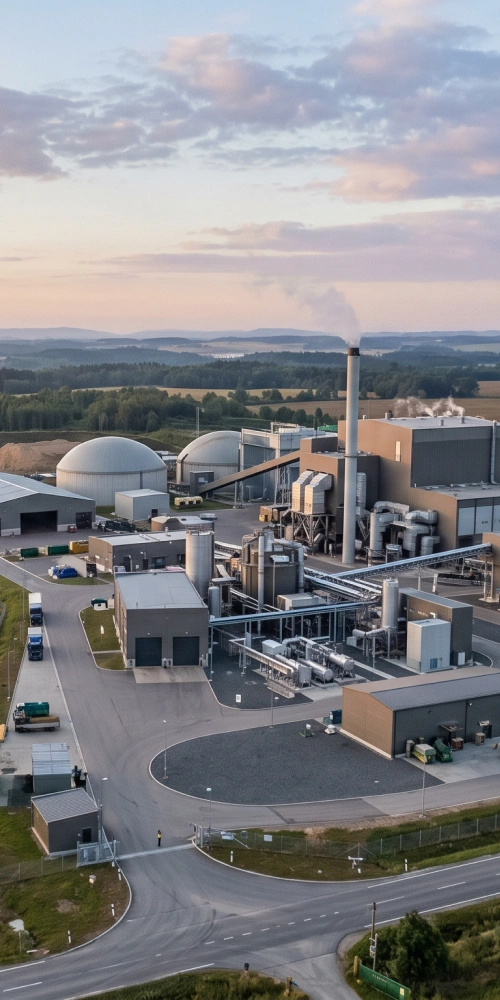
Chemical manufacturers in Gujarat running legacy fire-tube boilers are losing an estimated ₹55 lakh per year because of suboptimal fuel-to-steam conversion—an expense set to rise as compliance with the PAT cycle 4 targets and CPCB SO2/NOx emission norms tightens in 2025. For many, investment in modern industrial steam generation isn’t just a technical upgrade—it's a strategic lever for meeting production, compliance, and cost targets while future-proofing operations against relentless fuel and regulatory escalation.
Where Industrial Steam Generation Delivers Maximum Value: Sector Deep Dive
The highest impact of advanced steam generation is in industries where steam remains fundamental to process and product—especially in energy-intensive sectors facing regulatory, energy-cost, and operational pressure. For example, textile mills in Tamil Nadu (where steam is used for dyeing and finishing) report 14-18% total fuel cost reduction post transition to biomass-fired water-tube boilers with economizers. In the GCC, food processing and petrochemical firms in Saudi Arabia and the UAE are achieving up to 12% OPEX reduction by switching from outdated shell boilers to condensing natural gas steam generators, leveraging local gas price advantages and low-emission mandates.
Across cement plants, distilleries, paper mills, and pharma units, a recurring challenge remains—a dependency on legacy boilers with poor load flexibility and high specific fuel consumption. In Enercon Worldwide’s experience, tailored upgrades in these sectors reduce steam cost per tonne by ₹180–₹350, with the strongest gains where process steam demands fluctuate or high-pressure (25–45 bar) saturated steam is required alongside tough emission constraints.
Inside Modern Steam Generation: Technologies and Specifications
Modern steam generation systems for industry combine high-efficiency boiler designs with advanced controls and heat recovery. The core types include:
- Water-tube boilers: Widely used in large process plants (15–150 TPH), operating at 20–110 bar. Quick heat-up, large steaming capacity, and compatibility with multi-fuel firing—biomass, coal, NG, FO, biogas.
- Fire-tube boilers: Suited for 1–30 TPH demand and lower-pressure operations (up to 21 bar). Easier installation but tradeoffs in efficiency and response time.
- Waste heat recovery boilers (WHRB): Recover flue/exhaust energy from kilns, turbines, or incinerators—common in cement/steel. Typical steam generation: 3–60 TPH.
- Electric/electrode boilers: For specialized pharma or high-purity steam, where grid power is stable and environmental norms are tight.
Efficiency for newly commissioned water-tube or hybrid boilers (with economizer and air preheater) consistently reaches 88–92% on lower heating value. Advanced control (O2 trim, VFD-driven fans, PLC/SCADA) can further optimize combustion and reduce excess air losses. Enercon’s projects often deploy modular skids, requiring 10–60 m² footprint per 10 TPH, with integration timeframes from 7–14 months, including tie-ins and commissioning.
Energy Efficiency Benchmarks and Achievable Gains
Upgrading from an 80% efficient fire-tube boiler to a modern biomass- or gas-fired water-tube unit offers dramatic lifecycle savings. Real-world data from Indian textile and rice mills shows:
- Thermal efficiency improvements: 6–12% point increase
- Fuel savings: 8–16% lower specific fuel consumption (SFC), e.g., reducing bagasse from 2.7 to 2.3 tonne steam/tonne bagasse in sugar mills
- Emissions: PM/SOx/NOx reductions of 22–44% versus legacy units—with CEMS data to support CPCB compliance
The energy efficiency leap comes not just from hardware, but integrated heat recovery (condensing economizers, flash steam recovery), high O2 accuracy (±0.3%) in combustion, and robust insulation to limit system losses. Plant-wide energy audits with partners like Enercon Worldwide frequently identify 1.5–3% extra system efficiency through downtempo starts, staged firing, and optimized blowdown scheduling.
Calculating Cost Optimization and True ROI of Steam Generation Upgrades
Financial justification remains decisive. Consider a 20 TPH boiler in a western India process plant (natural gas at ₹58/Nm3, 16-hour operation, 350 days/year). Moving from 80% to 90% efficiency:
- Annual gas use reduction: ~1.48 million Nm3 (from 14.8 to 13.32 million Nm3)
- Annual fuel savings: ₹85.84 lakh
- Project CAPEX: ₹2.1 to ₹2.8 crore including controls/retrofit
- Simple payback: 2.45–3.26 years, often 1.7–2.2 years with operational incentives or PAT benefits
The numbers sharpen in sectors with biomass availability—distilleries utilizing spent wash/biomass hybrids report ROI below 18 months as steam costs plummet by up to ₹700/tonne. With Enercon Worldwide’s lifecycle O&M support, plants also minimize non-scheduled downtime—protecting the ROI from maintenance overruns.
Environmental Compliance: Mandates and the Opportunity in Regulatory Pressure
Delay in upgrading steam generation systems is now squarely a compliance gamble. Under India’s latest CPCB emission norms (SOx ≤ 100 mg/Nm3 for new boilers, PM ≤ 50 mg/Nm3) and PAT (Perform Achieve and Trade) targets, non-compliant units are liable for fines upwards of ₹25 lakh and, in several state cases (Gujarat, Haryana, Delhi NCR), expedited closure orders.
For pharma and textile units—traditionally major coal/FO users—mandatory stack emissions monitoring with online CEMS integration is now enforced. GCC regulations (e.g., Saudi Aramco Environmental Standard 201, UAE Estidama) bring parallel requirements: total plant SO2, NOx, and CO capped per output, with continuous audit and reporting. Modern boiler retrofits and fuel transitions offer a compliance accelerator—not just avoiding penalty, but gaining operational license and positive ESG ratings.
The Hidden Cost of Inaction: Operational, Financial, and Reputational Risks
Procrastinating boiler upgrades is now a quantifiable liability:
- Boiler derating: Overage shells (>18 years) typically lose 3–6% efficiency and require unscheduled shutdowns—losing ~₹7–15 lakh per 24-hour stoppage in a 25 TPH process plant.
- Compliance costs: Potential for ₹10–25 lakh in annual fines for emissions breaches or effluent discharge excess per the CAQM and local PCB rules.
- Fuel price risk: Industrial FO/LDO prices in India have risen 17% YoY since 2022—every efficiency point lost compounds this inflation.
- ESG/CSR impacts: Large clients and export buyers now benchmark supplier GHG/energy intensity; inefficiency leads to lost business and failed audit checklists.
Enercon Worldwide often sees plants “sweating” old boilers past their useful life due to CAPEX hesitancy—yet the silent costs (fuel, penalties, brand value) can invalidate perceived savings in under three years.
Technology Comparison: Legacy Boilers vs. Modern Steam Generation Systems
Key Comparison Parameters
- Thermal Efficiency: Legacy fire-tube: 78–82%. Modern water-tube with heat recovery: 88–92%.
- Load Response: Slow ramp-up in old units vs. 15–30% faster response in new PLC-controlled systems.
- Emissions Control: Wet scrubbers (legacy) vs. baghouse, ESP, and real-time CEMS (modern).
- Fuel Flexibility: Older designs limited to one/two fuels; new designs support multi-fuel and biomass blends (rice husk, palm shells, bagasse, agro-waste).
- Operational Lifespan: Average 15 years (legacy) vs. 25–30 years (modern with preventive regimes).
Choosing the right technology requires mapping process load profile, emission limits, fuel logistics, and integration time. Enercon Worldwide’s assessment matrix compares expected steam load variance, heat recovery potential, regulatory needs, and O&M resource footprint for each scenario—a decision tool many plants now demand upfront.
Sector Applications: How Modern Steam Generation Solves Real Challenges
Sugar Mills: Bagasse Cogeneration
Sugar plants co-fire bagasse (waste) as boiler fuel. Upgrades to high-pressure (67 bar) water-tube boilers increase power export to the grid, with Enercon upgrades yielding 8–12% more electricity per tonne cane and CO2 reduction of 35,000+ t/year for a 5000 TCD plant.
Textile Processing: Energy and Emission Control
Mills in Tirupur and Surat using biomass boilers (multi-fuel) in place of diesel report steam generation cost drop from ₹2.7 to ₹1.6 per kg and PM emissions reduced by over 50%, ensuring zero threat of closure from PCB show-cause notices.
Pharma Manufacturing: Clean Steam and Compliance
Pharmaceutical units in Hyderabad have replaced FO boilers with natural gas-fired systems, integrating membrane-based degassing and online O2/CO monitoring. This brought stack emissions well below limits and steam downtime below 3%—critical for GMP-sensitive batch production.
Tackling Operational Challenges in Steam Generation Projects
Plants often cite practical hurdles:
- Fuel variability in biomass: Ash content, volatility, and calorific fluctuations affect stable output—solved by fuel blending and real-time fuel feeder controls.
- Limited floor space: Modular boilers or vertical designs (Enercon has deployed 12–18 m²/10 TPH layouts in cramped urban plants).
- Integration with old systems: Retrofitting new automation to legacy auxiliaries demands detailed tie-in planning—Enercon’s phased commissioning minimizes process interruption, often to 2–4 days per phase.
- Skill gaps: Digital controls and higher safety standards mean new operator training—addressed via commissioning-stage workshops and remote O&M support.
Real-world example: A GCC chemical plant achieved seamless boiler replacement by staging tie-ins during planned maintenance, using Enercon’s rapid on-site engineering and pre-delivered skids, saving ~18 days of lost production versus conventional methods.
Emerging Trends: The Future of Industrial Steam Generation
The next five years will transform how plants approach steam:
- Hydrogen blending: Trials across Europe and GCC now see 10–20% H2 blended with natural gas, slashing CO2 per unit steam—Enercon is piloting such dual-fuel projects in India’s refinery sector.
- AI-driven maintenance: Predictive analytics with SCADA integration optimize blowdown, feedwater dosing, and shutdown cycles, extending boiler life and reducing failures by 27–40%.
- Modular designs: Skid-mounted, easily expandable units cut installation time and support OPEX-driven plant expansions without long outages.
- Carbon capture ready: New boiler sites are being future-proofed for flue gas take-off, anticipating tightening carbon intensity norms.
Plants investing now in flexible, digitally equipped boilers position themselves to capture incentives and avoid early obsolescence as future norms bite harder.
Checklist: How to Select the Right Steam Generation Solution
For decision-makers, these steps are critical:
- Map actual vs. future steam demand profiles over 18–36 months.
- Audit real fuel logistics (security, price, emissions footprint).
- Verify compliance needs—CPCB, CAQM, PAT, local PCB, GCC standards.
- Evaluate footprint and integration windows (planned shutdowns, brownfield/greenfield).
- Scrutinize O&M resources and training requirements.
- Compare ROI at real cost of capital—not just upfront CAPEX.
- Demand references for similar sector, scale, and locality—partner with firms (like Enercon Worldwide) experienced in CPCB-compliant deployments and rapid commissioning.
Warning signs for urgent action: Visible tube leaks/cracks, 15%+ excess air on combustion, rising auxiliary power (ID/FD fan kWh), missed PAT targets, or repeated environmental non-conformities. If any are present, accelerate your upgrade cycle.
Ready for the Next Step: Navigating Compliance and ROI with Modern Steam Generation
Boiler system projects, from feasibility to commissioning, typically require 8–14 months—meaning plants seeking compliance or OPEX gains before the next CPCB audit cycle (2025 in India, 2024–25 for GCC plants under new frameworks) must initiate assessments now. Every lost month can tighten project windows, escalate retrofitting costs, and increase the risk of regulatory penalties or forced production curtailments.
For plant owners and energy managers, starting with a professional energy/steam audit or technology selection study is the lowest-risk next step—laying the groundwork for a robust technology and ROI case. With sector experience spanning Indian textiles, chemicals, pharma, and GCC petrochemicals, Enercon Worldwide partners with clients throughout the assessment and implementation journey, helping sites benchmark their current steam systems and chart a path to compliance, cost savings, and energy resilience.
Optimizing industrial steam generation is rarely a matter of if, but of when and how fast. Equipped with the practical benchmarks, selection criteria, and regulatory deadlines laid out above, plant decision-makers can now justify upgrades that deliver far more than the sum of their BTUs—driving sustainable business advantage for years to come.
Related Enercon solutions
Planning an energy or utility project? Talk to the engineers at Enercon Worldwide or request a consultation. You can also browse all our business areas.