Designed to deliver precise, low-energy drying through advanced heat pump technology, ensuring consistent moisture removal and product quality across industrial applications.

| About
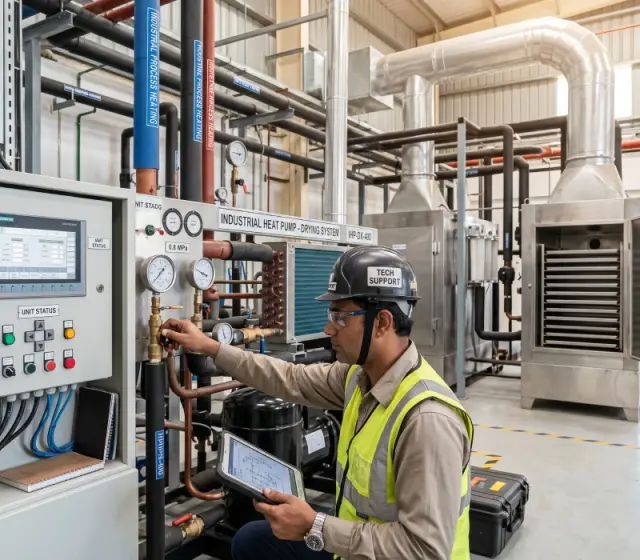
Heat pump driers are advanced drying systems that use refrigeration-based heat pump technology to remove moisture from materials in a controlled and energy-efficient manner.
Unlike conventional drying systems that rely on direct heat, these systems recycle heat within a closed loop, significantly reducing energy consumption. They are ideal for applications where product quality, controlled drying conditions, and energy savings are critical.

| Process
Moist air from the drying chamber is directed into the evaporator
Moisture condenses and is removed from the air stream
Latent heat is captured and recycled by the heat pump system
Dehumidified air is reheated using recovered energy
Warm dry air is circulated back into the chamber
| Industries
Ideal for controlled and energy-efficient drying processes
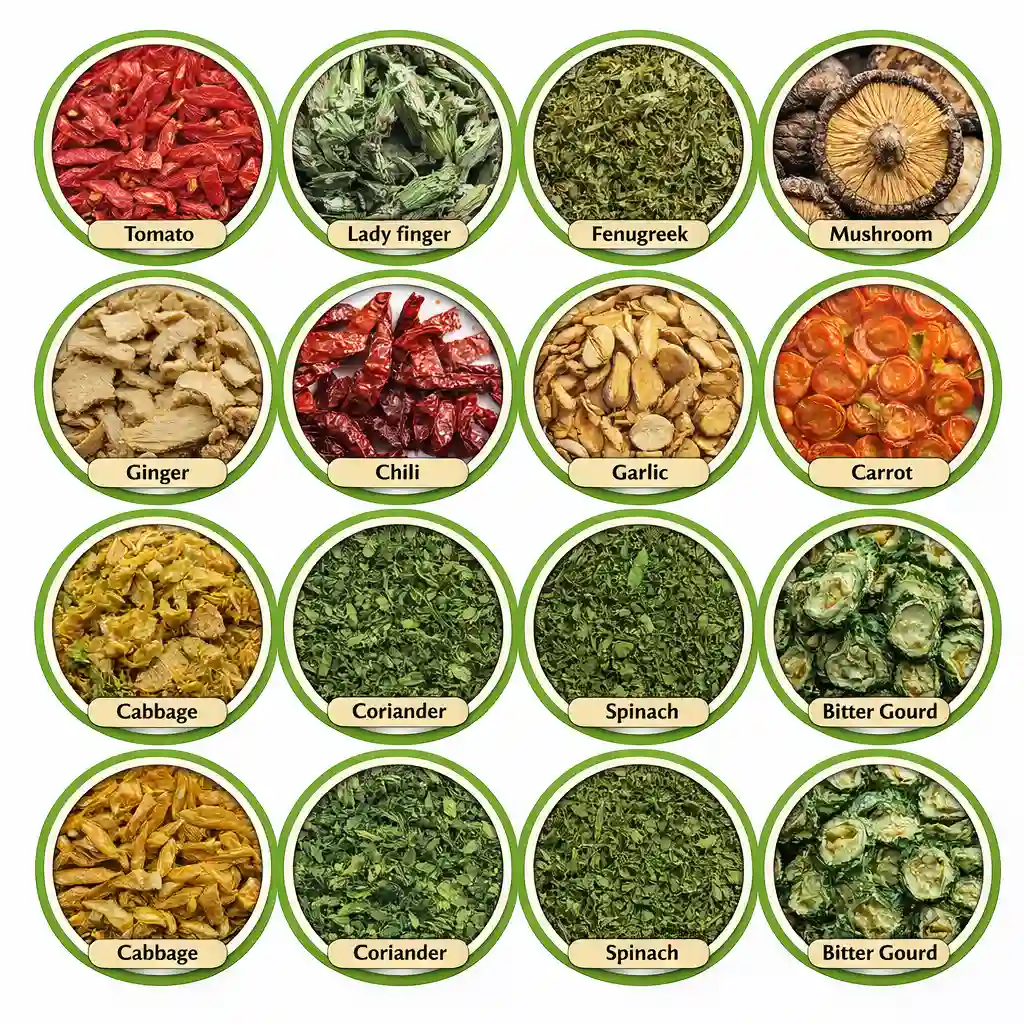
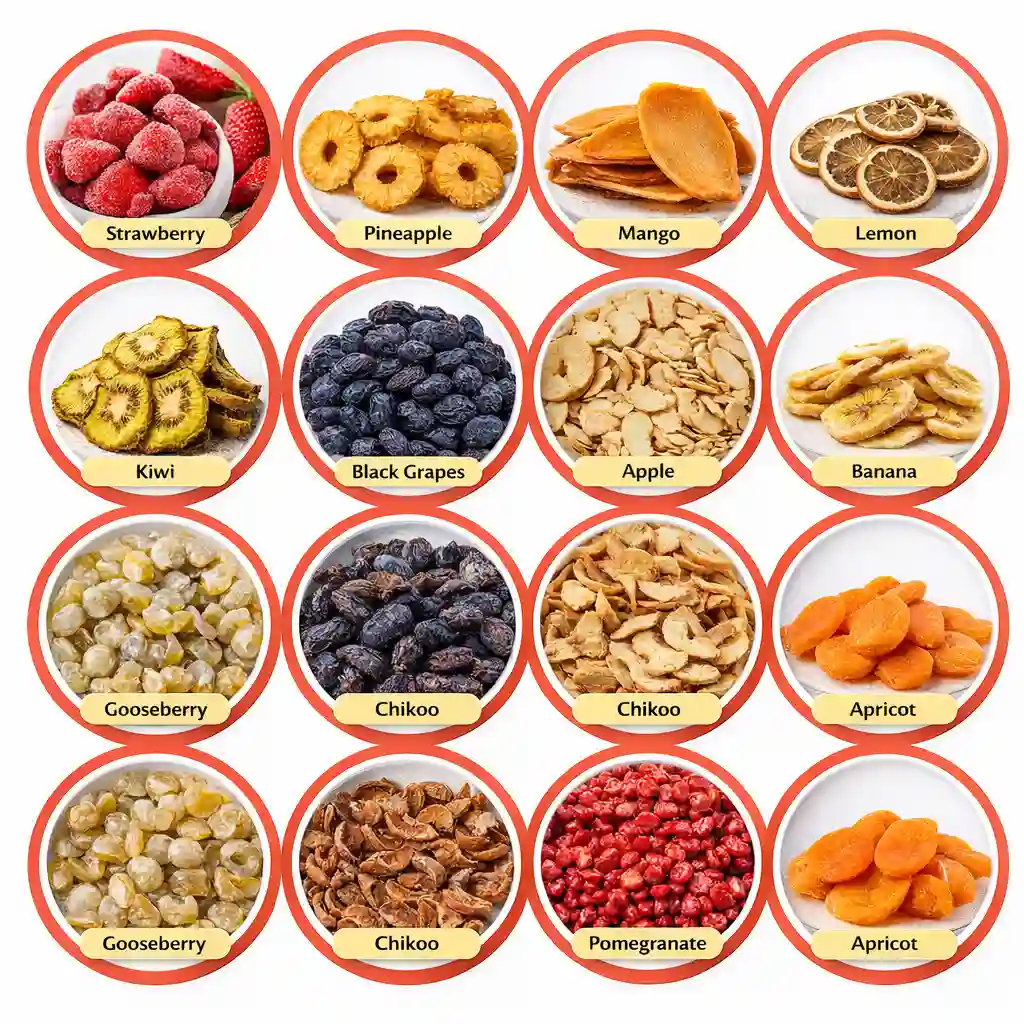
Drying fruits, vegetables, and grains
Controlled drying of sensitive materials
Fabric drying with uniform moisture removal
Moisture reduction without structural damage
High-quality controlled drying processes
| Advantages
| Specifications
Engineered for controlled and efficient drying
Efficient heat recovery and reuse system
Controlled drying environment
Efficient moisture removal
Temperature and humidity regulation
Minimal heat loss operation
Real-time system control
Flexible installation options
Designed as per product requirements
| Comparison
| Sector Focus
Drying fruits, vegetables, and food products
Controlled drying of sensitive materials
Uniform fabric drying processes
Moisture control without damage
| Gallery
Energy-efficient and controlled industrial drying solutions
Engineering articles from the Enercon team on this topic.

Discover proven, ROI-driven strategies to optimize industrial boiler performance, boost energy efficiency, meet CPCB and PAT scheme compliance, and realize rapid cost savings for sectors like cement, chemical, and food processing.
Read article
Discover how utility optimization transforms industrial operations, boosting efficiency, cutting costs, and driving sustainability across various sectors.
Read article