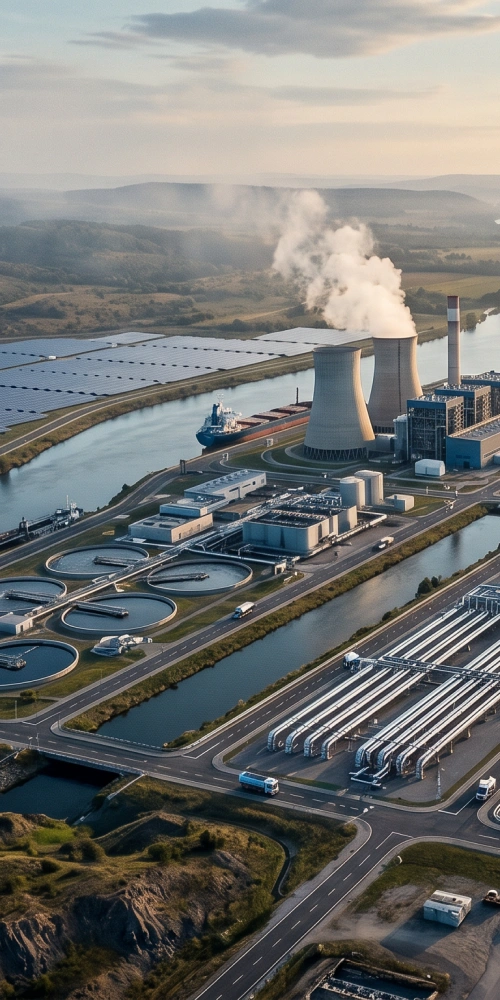
In today's competitive industrial landscape, maximizing operational efficiency and minimizing costs are paramount. Industrial facilities, from manufacturing plants to processing units, rely heavily on various utilities: electricity, steam, water, compressed air, and more. The management and optimization of these utilities present a significant opportunity for cost savings, enhanced productivity, and environmental stewardship. Utility optimization solutions are not just about saving energy; they encompass a holistic approach to managing and improving the performance of an entire facility's utility infrastructure. This involves a deep dive into consumption patterns, identifying inefficiencies, implementing advanced technologies, and establishing robust monitoring and control systems.
For factory owners, industrial plant managers, and operations heads, understanding and implementing effective utility optimization strategies can be a game-changer. It translates directly into improved bottom lines, reduced carbon footprints, and greater operational resilience. Enercon Worldwide, with its extensive expertise in industrial energy and utility infrastructure, provides comprehensive solutions designed to unlock these benefits, ensuring that industrial operations are not just running, but running optimally.
Understanding the Core of Industrial Utility Systems
Industrial utility systems are the lifeblood of any manufacturing or processing plant. They include power generation and distribution, steam generation (often via biomass, natural gas, or waste heat boilers), water treatment and distribution, wastewater management, compressed air systems, and cooling systems. Each of these components consumes significant resources and contributes substantially to operating costs. An unoptimized utility system can lead to substantial energy waste, increased water consumption, higher maintenance demands, and elevated emissions.
Consider a large-scale manufacturing plant. It requires consistent steam for various processes like drying, heating, and sterilization. An inefficient boiler system or poorly insulated steam lines can lead to massive heat losses, translating into higher fuel consumption. Similarly, a cooling system with fouled heat exchangers or an oversized pump can consume excessive electricity. Water treatment, critical for boiler feedwater and process water, if not optimized, can lead to costly chemical usage, excessive water blowdown, and equipment scaling. Understanding the interdependencies between these systems is crucial for any effective optimization strategy.
Enercon Worldwide's approach begins with a thorough assessment of existing utility infrastructure, identifying bottlenecks, inefficiencies, and areas for improvement. This diagnostic phase is vital for tailoring solutions that yield maximum impact.
The Pillars of Utility Optimization: Energy Efficiency and Cost Reduction
Energy efficiency is arguably the most prominent benefit of utility optimization. Industrial facilities often have aging equipment, outdated control systems, and processes that haven't been re-evaluated for efficiency in years. Implementing modern technologies and best practices can lead to dramatic reductions in energy consumption.
- Steam System Optimization: This includes upgrading to more efficient boilers (e.g., biomass or waste heat recovery boilers offered by Enercon Worldwide), improving insulation, repairing steam leaks, and optimizing condensate return systems. Efficient steam generation and distribution can cut fuel costs significantly.
- Electrical System Optimization: This involves power factor correction, upgrading to energy-efficient motors and variable frequency drives (VFDs), and optimizing lighting systems. It also encompasses demand-side management to reduce peak electricity consumption, leading to lower utility bills.
- Compressed Air System Efficiency: Often overlooked, compressed air systems are notorious energy hogs. Optimization includes leak detection and repair, sizing compressors correctly, implementing advanced control strategies, and heat recovery from compressor operations.
- Cooling System Enhancements: Upgrading chillers, optimizing cooling tower performance, and implementing advanced control algorithms can significantly reduce electricity consumption in industrial cooling systems.
- Waste Heat Recovery: Capturing waste heat from industrial processes, exhaust gases, or boiler flue gases and converting it into useful energy (e.g., for preheating combustion air, generating steam, or even producing electricity) is a powerful optimization strategy. Enercon Worldwide specializes in Waste Heat Recovery Boilers, which are central to this.
The cost savings from these initiatives are not incremental; they can be substantial, often resulting in payback periods that make the investment highly attractive for decision-makers.
Sustainability and Environmental Stewardship through Optimization
Beyond cost savings, utility optimization plays a critical role in achieving sustainability goals. Industries worldwide are facing increasing pressure to reduce their environmental footprint, driven by regulatory mandates, corporate social responsibility, and consumer demand. Optimized utility systems directly contribute to this by:
- Reducing Greenhouse Gas Emissions: Less energy consumption translates to lower fossil fuel combustion and, consequently, reduced CO2 and other greenhouse gas emissions. Utilizing renewable energy sources like biomass in boilers further enhances this impact.
- Conserving Water Resources: Efficient water treatment plants, including RO and DM plants, and Zero Liquid Discharge (ZLD) systems (offered by Enercon Worldwide), minimize freshwater intake and wastewater discharge, crucial in regions facing water scarcity.
- Minimizing Waste: Waste-to-Energy plants convert industrial and municipal waste into useful energy, diverting it from landfills and reducing pollution.
- Decreasing Air Pollutants: Modern combustion technologies in boilers, combined with optimized fuel usage, lead to lower emissions of particulate matter, SOx, and NOx.
These environmental benefits not only align with sustainability objectives but also improve a company's public image and ensure compliance with evolving environmental regulations.
Operational Improvements and Enhanced Reliability
Utility optimization isn't just about what you save; it's also about how efficiently and reliably your plant operates. Modernization of utility systems often comes with significant operational advantages:
- Improved System Reliability: Upgrading outdated equipment reduces the likelihood of breakdowns and unplanned downtime, which can be extremely costly for continuous operations. Preventive maintenance schedules based on real-time data improve uptime.
- Enhanced Control and Monitoring: Advanced SCADA and DCS systems allow for precise control over utility parameters, enabling real-time adjustments and proactive issue resolution. This leads to more stable operations and better product quality.
- Safety Improvements: Modern equipment often incorporates enhanced safety features, and well-maintained systems reduce risks associated with high-pressure steam, electrical hazards, and chemical handling.
- Reduced Maintenance Burden: Newer, more efficient equipment typically requires less frequent and less intensive maintenance, freeing up valuable personnel and resources.
- Greater Flexibility: Optimized systems are often more adaptable to changes in production demands or fuel types, providing greater operational flexibility. For instance, boilers capable of firing multiple fuel types (e.g., biomass/coal fired boilers) offer flexibility in fuel sourcing and cost management.
These operational improvements contribute to a smoother, more predictable, and ultimately more profitable industrial environment.
Key Technologies and Solutions in Utility Optimization
The landscape of utility optimization is rich with advanced technologies. Enercon Worldwide leverages a broad portfolio to deliver tailored solutions:
- Advanced Boiler Systems: From high-efficiency biomass and coal-fired boilers to hot oil boilers and diesel/natural gas/biogas fired boilers, modern combustion technologies maximize energy extraction from fuel sources. Waste heat recovery boilers and industrial steam generation units further enhance efficiency by capturing otherwise lost energy.
- CHP/Cogeneration Systems: Combined Heat and Power systems simultaneously generate electricity and useful heat from a single fuel source, achieving significantly higher overall efficiency than separate generation. This is ideal for industrial plants with continuous electricity and thermal demands.
- Water Treatment Solutions: Comprehensive water treatment plants (WTPs), Reverse Osmosis (RO) plants, Demineralization (DM) plants, Effluent Treatment Plants (ETPs), and Zero Liquid Discharge (ZLD) systems ensure optimal water quality for process needs while minimizing discharge and consumption.
- Industrial Cooling Systems: Optimization of chillers, cooling towers, and associated pumping systems to reduce electricity consumption and ensure efficient heat rejection.
- Process Optimization: Beyond individual utility systems, process optimization examines the entire production flow to identify opportunities for reducing utility demand. This can involve process redesign, heat integration, and automation.
- Monitoring & Analytics: Implementing real-time energy management systems (EMS) and utility monitoring platforms provides invaluable data for identifying inefficiencies, tracking performance, and verifying savings.
The integration of these technologies into a cohesive utility infrastructure plan is where significant value is generated. Enercon Worldwide's engineering expertise is critical in designing and implementing such integrated solutions.
Industrial Use Cases and Real-World Applications
Let's consider specific industrial applications where utility optimization yields significant results:
- Chemical Processing Plants: These plants have high demands for steam, process heating, and cooling. Implementing waste heat recovery from exothermic reactions or flue gases, coupled with optimized boiler systems and advanced water treatment for process purity, can lead to massive savings. A CHP system can provide both electricity and steam, enhancing energy independence and reducing grid reliance.
- Food and Beverage Industry: Sterilization, pasteurization, and drying processes require substantial steam. Upgrading to high-efficiency boilers (perhaps biomass-fired using agricultural waste), optimizing steam trap management, and installing advanced cooling systems for refrigeration are common optimization pathways. Water management, including ETPs and ZLD systems, is crucial for hygiene and compliance.
- Textile Manufacturing: Dyeing, drying, and finishing processes are energy and water intensive. Hot oil boilers for specific heating applications, efficient steam generation, and comprehensive wastewater treatment and recycling (ZLD) are vital for cost control and environmental responsibility.
- Pulp and Paper Mills: These facilities are major consumers of energy and water. Biomass power plants, often fueled by bark and wood residues, can provide significant energy autonomy. Waste heat recovery from black liquor recovery boilers and efficient water circulation systems are key optimization areas.
- Automotive Manufacturing: Painting booths, metal treatment, and assembly lines require stable temperatures and significant compressed air. Optimizing compressed air systems, HVAC, and potentially installing CHP for electricity and heating/cooling can drive down operating costs.
In each of these scenarios, Enercon Worldwide’s solutions, from Boiler Upgradation Projects to complete Industrial Energy Plants, are designed to address the specific needs and challenges of the sector.
Overcoming Operational Challenges in Optimization
While the benefits are clear, implementing utility optimization can come with challenges. These often include:
- Initial Capital Investment: Upgrading or replacing significant utility infrastructure can require substantial upfront investment. However, robust financial modeling demonstrating ROI and payback periods is crucial.
- Lack of Data and Expertise: Many plants lack comprehensive metering and monitoring systems, making it difficult to accurately identify inefficiencies. Additionally, in-house expertise for complex optimization projects may be limited.
- Operational Disruptions: Implementing new systems or upgrading existing ones often requires planned downtime, which can impact production schedules. Careful planning and phased implementation are essential.
- Resistance to Change: Plant personnel may be accustomed to existing processes, and adoption of new technologies or operational procedures can face resistance. Effective training and stakeholder engagement are critical.
- Integration Complexity: Modern utility systems involve complex integration of various technologies and controls. Ensuring seamless operation requires expert engineering and project management.
Enercon Worldwide addresses these challenges by offering end-to-end solutions, from detailed feasibility studies and financial analysis to project execution, commissioning, and ongoing support, ensuring a smooth transition and maximizing project success.
The Future of Industrial Utility Optimization: Smart, Integrated, and Sustainable
The future of industrial utility optimization is characterized by increasing intelligence, integration, and a relentless focus on sustainability. We can expect to see:
- Industry 4.0 Integration: The convergence of IoT, AI, and big data analytics will lead to more predictive maintenance, real-time optimization algorithms, and self-learning utility systems that adapt to changing conditions.
- Decentralized Energy Systems: More industrial plants will adopt microgrids, integrating renewable energy sources (solar, wind, biomass) with conventional power generation and energy storage to enhance resilience and reduce costs.
- Advanced Digital Twins: Virtual models of utility systems will allow for simulation of various operational scenarios, enabling optimized design and predictive performance management without physical disruption.
- Circular Economy Principles: A stronger emphasis on waste-to-energy solutions, water recycling, and beneficial reuse of industrial byproducts will become standard practice, moving towards zero-waste operations.
- Carbon Capture and Storage (CCS): For industries where decarbonization is particularly challenging, CCS technologies may become part of the utility infrastructure to further reduce emissions.
Enercon Worldwide is at the forefront of these trends, continuously evolving its offerings to provide cutting-edge solutions that prepare industrial clients for the future, ensuring they remain competitive, sustainable, and energy independent.
Partnering for Peak Performance
Achieving optimal utility performance is a journey, not a destination. It requires continuous monitoring, evaluation, and adaptation. Engaging with experienced partners like Enercon Worldwide provides access to deep technical expertise, proven technologies, and a track record of successful project delivery. Whether it's a boiler upgradation project, a new biomass power plant, or the implementation of a comprehensive Zero Liquid Discharge system, the right partner can translate complex engineering challenges into tangible economic and environmental benefits. By strategically investing in utility optimization, industrial players can secure a more resilient, efficient, and sustainable future for their operations.
Related Enercon solutions
Planning an energy or utility project? Talk to the engineers at Enercon Worldwide or request a consultation. You can also browse all our business areas.